
For many in the travel industry, accessibility is often measured by checklists: Is there a ramp? An elevator? An accessible hotel room? While those elements are essential, they tell only part of the story.
For disability advocates, Joe Jamison, CEO and founder of VisitAble, and Kristy Durso, owner of Incredible Memories Travel, true accessibility goes far beyond physical infrastructure. It is built through preparation, communication, and a commitment to making every traveler feel welcome.
As the travel industry recognized Disability Pride Month this July, both leaders encouraged destinations, tour operators and suppliers to view accessibility not as a box to check, but as an opportunity to create meaningful, memorable experiences for every traveler—not just during Disability Pride Month, but throughout the year.
For Jamison, that perspective began long before he founded VisitAble, a disability inclusion and accessibility training firm.
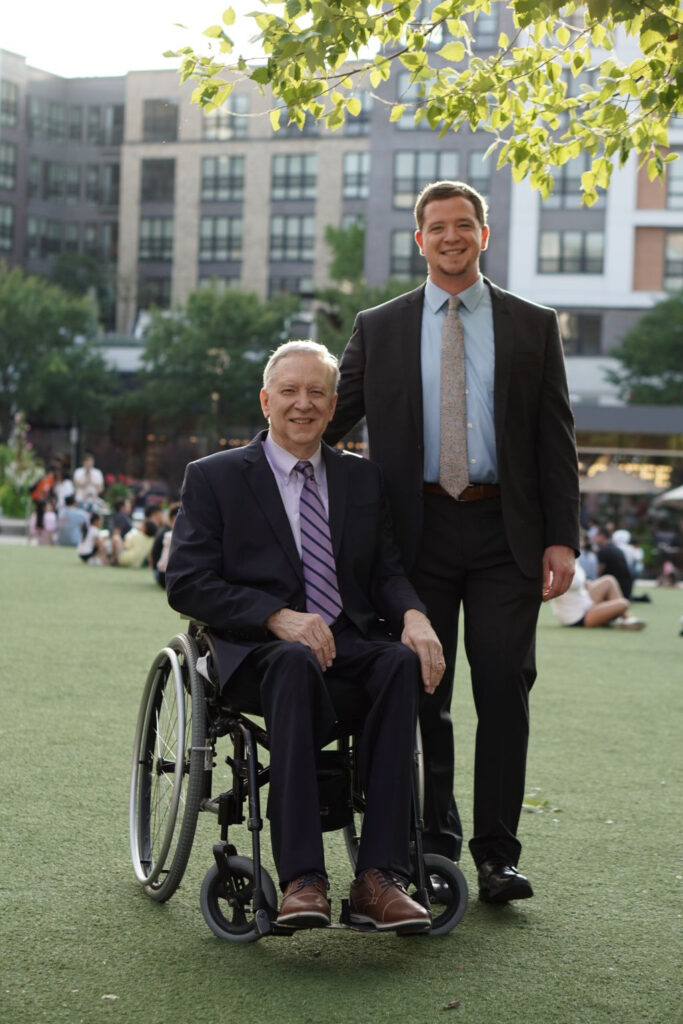
“My connection to disability is with my dad, who has used a wheelchair for my entire life,” he said. “I grew up noticing how people would ignore my dad and only speak to me, or we’d arrive for a tour and the accessible bus we requested wasn’t there. We’d reserve an accessible hotel room and still arrive to find it wasn’t what had been promised.”
Those experiences inspired him to bridge what he calls “the gap between what is actually a good experience and what is ADA compliant.”
Durso agrees that accessibility cannot be measured solely by compliance.
“I’ll die on this hill,” she said. “There is no such thing as 100 percent accessible. It’s a myth.”
Instead, she believes the hospitality industry’s greatest strength lies in its ability to adapt to individual travelers.
“What there is,” she said, “is exceptional hospitality.”
When People Make the Difference
One of Jamison’s most memorable travel experiences illustrates why the human element matters.
During a family trip, his father requested an accessible motorcoach equipped with a wheelchair lift. When the bus arrived without one, tour staff decided the quickest solution was to physically carry his father onto the vehicle.
“I remember thinking, ‘They’re going to drop my dad,'” Jamison recalled. “He deserved to have the lift that he requested. He’s on vacation. We shouldn’t have to worry about him being carried onto a bus.”
The issue wasn’t simply the missing lift. It was that the traveler lost the independence and dignity he deserved.
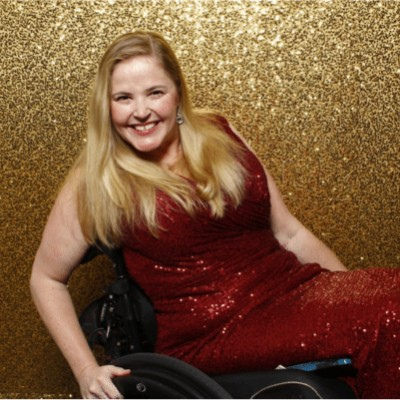
Durso experienced the opposite while visiting Roatán, Honduras.
As a full-time wheelchair user, she casually mentioned she had always wanted to go zip lining. The excursion operators didn’t have accessible infrastructure, but they refused to let that become the end of the conversation.
“They couldn’t create structural accessibility,” she said. “But they heard what we wanted to do, they understood what we were unable to do, and they created the accessibility in the moment.”
For Durso, that experience perfectly defines accessibility. “Accessibility is the deliberate act of removing barriers so that an individual can participate to the best of their desire and ability,” she said.
Accessibility Begins Before Arrival
Both experts emphasized that creating an accessible experience starts long before a guest checks in or boards a motorcoach.
Jamison encourages travel professionals to ask about accommodations during the booking process, train frontline staff, and provide detailed accessibility information before travelers arrive.
“The first thing I think about is the individual researching where they want to go,” he said. “Will they find the information they need? Will they know they’re welcome? And when they arrive, will the experience be as promised?”
Preparation is just as important as physical accessibility.
“Accessibility is never one and done,” Jamison said. “It’s always evolving. Things change, technology changes, buildings change, and situations change. What people can control is their preparedness.”
Durso believes the first step is asking better questions.
“So often people ask me, ‘Where can I send someone that’s accessible?'” she said. “I don’t know. You’ve only told me they have a disability.”
Instead, she encourages travel advisors to learn about the traveler—not just their disability.
“Get to know the client,” Durso said. “Get to know your traveler, not their disability. We still have just as many likes and dislikes, hopes, and dreams as anybody else.”
That means discovering whether someone loves museums, culinary experiences, adrenaline-filled adventures, or quiet cultural experiences before recommending an itinerary.
Small Actions, Lasting Impact
Neither Jamison nor Durso believes meaningful accessibility always requires expensive renovations. Empathy, communication, and proactive planning often matter just as much as physical improvements.
“If you actually care, you’re going to create a good experience,” he said. “You’re going to educate your staff. You’re going to prepare. You’re going to do what you can.”
Durso has seen simple ideas create lasting change.
After speaking with the owner of a small Indigenous farm near Ottawa for just a few minutes, she learned months later that the business had installed mobility mats, redesigned a traditional teepee for wheelchair access, and added an accessible restroom.
“They prepared a place,” Durso said. “That’s the feeling we all want. We want to feel thought of.”
She points to the “curb-cut effect” as another reminder that accessibility benefits everyone. Originally designed for wheelchair users, curb cuts now help parents pushing strollers, travelers rolling luggage, cyclists, delivery workers, and countless others.
“What’s good for the person with a disability becomes the convenience for everyone,” she said.
Looking Ahead
Both leaders believe the travel industry is making meaningful progress, but they also agree there is more work to do. Jamison sees encouraging momentum as more destinations recognize accessibility as an opportunity rather than an obligation.
“They want to do better,” he said. “They want to be proactive about making change rather than just doing it because they’re required to.”
Durso believes the industry’s future depends on viewing accessibility as both good hospitality and good business.
“This isn’t a niche,” she said. “At least one in four American adults has a disability, and they don’t travel alone. When you make travel accessible for one person, you’re welcoming their family, their friends, and everyone traveling with them.”
For National Tour Association members, the message is clear. Accessible travel is about far more than meeting regulations. It is about creating experiences where every traveler feels welcomed, prepared for, and empowered to fully participate. After all, travelers rarely remember whether a destination simply met the minimum requirements. They remember how people made them feel.
Jamison and Durso will join Jeff Ment of Ment Law Group to host an educational seminar at NTA Travel Exchange ’26 in Tulsa. The session, titled The Accommodation Tightrope: A Live Conversation on Access, Risk, and Reality, will be 2:15 – 3:15 p.m. Sunday, Nov. 15.
For more information, visit ntaonline.com.